

Introduction
Maintaining optimal oral hygiene has transitioned from a basic daily chore into a sophisticated routine driven by advanced technology. While brushing our teeth remains the cornerstone of dental health, it only cleans the visible surfaces of the dentition. The hidden spaces between teeth, known as the interdental regions, and the pockets beneath the gumline remain largely untouched by traditional toothbrush bristles. For decades, traditional string floss was considered the gold standard for navigating these tight spaces. However, low compliance rates due to physical discomfort and lack of dexterity have driven dental professionals and engineers to seek better solutions.
Enter the modern water flosser, a device that has revolutionized the way we approach interdental cleaning. Utilizing targeted streams of pressurized water, this tool cleans where brushes cannot reach. Throughout this comprehensive guide, we will explore the intricate mechanics, clinical validation, and practical benefits of using a water flosser, also widely recognized in the dental industry as an oral irrigator, to achieve a healthier and brighter smile.
Defining the Technology: What is a Water Flosser?
At its core, a water flosser is a specialized home dental care device designed to direct a targeted stream of water between the teeth and along the gingival margin. In the consumer market and clinical literature, the terms water flosser and oral irrigator are often used interchangeably. Both refer to the same fundamental technology: a motorized appliance that utilizes hydrodynamic force to flush out food debris, bacteria, and loose plaque biofilm from the oral cavity. Originally introduced to the dental industry in the mid-twentieth century, early versions were bulky and primarily utilized in professional clinical settings. Today, engineering advancements have shrunk these devices into sleek, highly efficient consumer products.
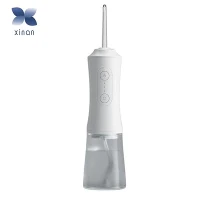
Modern oral irrigators generally fall into three primary categories based on their design and intended use case. The first category is the countertop model. These are larger units that plug directly into an electrical outlet and feature a sizeable water reservoir. They offer the most robust pressure ranges and are ideal for family use or individuals with extensive dental work. The second category is the cordless or portable water flosser. Powered by rechargeable batteries, these devices feature an integrated water tank, making them compact and perfect for travel or small bathrooms. The third, less common category consists of faucet-powered or shower-attached irrigators that connect directly to a water source, eliminating the need for an electrical motor or reservoir entirely. Regardless of the form factor, the primary objective remains the same: using fluid dynamics to optimize oral health.
The Science of Hydrodynamics: How Does It Work?
Understanding how a water flosser works requires a brief look into physics and fluid dynamics. The magic behind an oral irrigator relies on a combination of water pressure and pulsation. Inside a standard motorized water flosser, an electric motor drives a miniature piston pump. When the user activates the device, this pump draws water from the reservoir and forces it through a narrow, tapered nozzle tip. By constricting the path of the water, the device significantly increases the velocity of the exiting stream. Users can adjust the intensity of this stream via pressure control dials, which typically regulate the force anywhere from low, gentle streams for sensitive tissues to high-intensity jets for deep cleaning.
However, a steady stream of water is not nearly as effective as a pulsating one. The true secret to the efficacy of an oral irrigator is its ability to deliver rapid pulses of water, often ranging between one thousand two hundred and one thousand six hundred pulses per minute. This pulsation creates a unique compression and decompression cycle in the mouth. As the pulse hits the gum tissue, it briefly compresses it, and during the micro-second pause between pulses, the tissue decompresses. This kinetic action creates a miniature vacuum effect that dislodges stubborn plaque biofilm, washes away microscopic bacteria, and stimulates local blood circulation within the gums, promoting natural tissue healing.
Clinical Benefits: Why Use an Oral Irrigator?
The clinical validation of the water flosser is extensive, with numerous dental studies confirming its efficacy. One of the primary advantages of an oral irrigator over traditional string floss is its superior ability to reduce gingivitis and bleeding gums. String floss requires manual scraping against the tooth structure. While effective in the hands of a dental hygienist, the average consumer often uses improper technique, sometimes snapping the floss painfully into their gums and causing tissue trauma. A water flosser, conversely, uses a soft fluid medium that conforms to the natural anatomy of the teeth and gums, providing a deep clean without abrasive friction.
Furthermore, an oral irrigator excels at reaching into deep periodontal pockets. These pockets are areas where the gum tissue has pulled away from the tooth due to bacterial infection, creating a haven for anaerobic bacteria to multiply. String floss can rarely reach more than two to three millimeters below the gumline, whereas a pressurized water stream can penetrate significantly deeper into these subgingival zones, neutralizing harmful bacteria before they can cause bone loss. Additionally, for individuals wearing orthodontic braces, dental implants, permanent bridges, or dental crowns, traditional flossing can be incredibly tedious or physically impossible. The flexible, high-velocity stream of a water flosser easily navigates around brackets, wires, and complex dental hardware, clearing away trapped particles within seconds.
Practical Application: A Step-by-Step Guide to Proper Usage
To maximize the benefits of a water flosser, users must master the correct operational technique. The process begins with device preparation. It is highly recommended to fill the reservoir with lukewarm water, as cold water can trigger a painful shock response in individuals with sensitive teeth or exposed dentin. Once the reservoir is secure, the user should select the appropriate nozzle tip. Standard tips are excellent for general cleaning, while specialized tips feature soft bristles for orthodontic brackets or tapered silicone ends designed specifically for deep periodontal pocket delivery.
Before turning the unit on, the user should lean over the sink and place the nozzle tip into their mouth, closing their lips slightly to prevent splashing while allowing excess water to drain freely from their lips. The device should be turned on at a low pressure setting initially, allowing the user to adjust to the sensation. The correct technique involves holding the nozzle at a ninety-degree angle relative to the long axis of the teeth. The user should guide the water stream along the gumline, pausing briefly at the space between each tooth. It is best to follow a systematic path, starting from the back molars on one side of the upper arch, moving to the front, continuing to the opposite side, and then repeating the entire sequence along the lower arch.
Once the flossing session is complete, proper maintenance is crucial to ensure the longevity of the appliance and prevent bacterial contamination. The remaining water in the reservoir must be emptied after every use, as stagnant moisture invites mold and mineral buildup. Periodically, the reservoir should be washed with warm soapy water or run through a dishwasher cycle if permitted by the manufacturer. Hard water deposits can clog the internal valves over time, so flushing the system with a mixture of warm water and plain white vinegar every few months will keep the internal pump running smoothly. Finally, much like a traditional toothbrush, the plastic nozzle tips experience wear and should be replaced every three to six months to maintain optimal spray dynamics.
Conclusion
The water flosser has firmly established itself as a transformative tool in modern preventative dentistry. By combining the natural cleansing properties of water with advanced mechanical engineering, the oral irrigator provides an effective, gentle, and user-friendly alternative to traditional string flossing. Its unique pulsating hydrodynamic action goes beyond simple debris removal, actively disrupting harmful bacterial biofilms and promoting cellular health within the gingival tissues. Whether you are looking to treat chronic gum inflammation, simplify your orthodontic routine, or maintain a healthy smile, integrating this technology into your daily oral care routine is a scientifically backed investment in your overall well-being. As home health technology continues to evolve, the oral irrigator stands out as an essential pillar of comprehensive personal hygiene.